
Understanding EN 1004-1:2020: The Essential Safety Standard for Mobile Scaffolding Towers
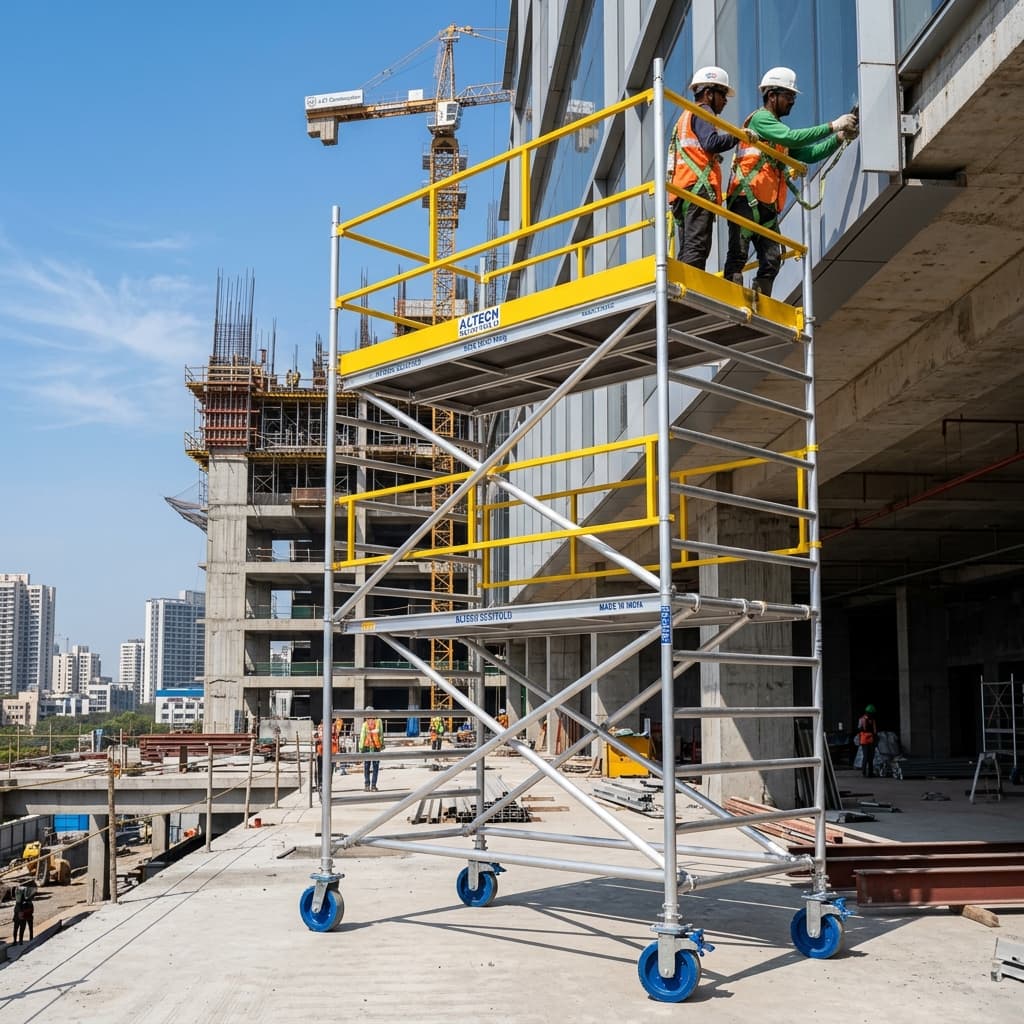
Working at height remains one of the highest risk operational activities in commercial construction and industrial facility maintenance. Selecting scaffolding equipment that adheres strictly to updated safety codes is non-negotiable for project leadership.
What is EN 1004-1:2020?
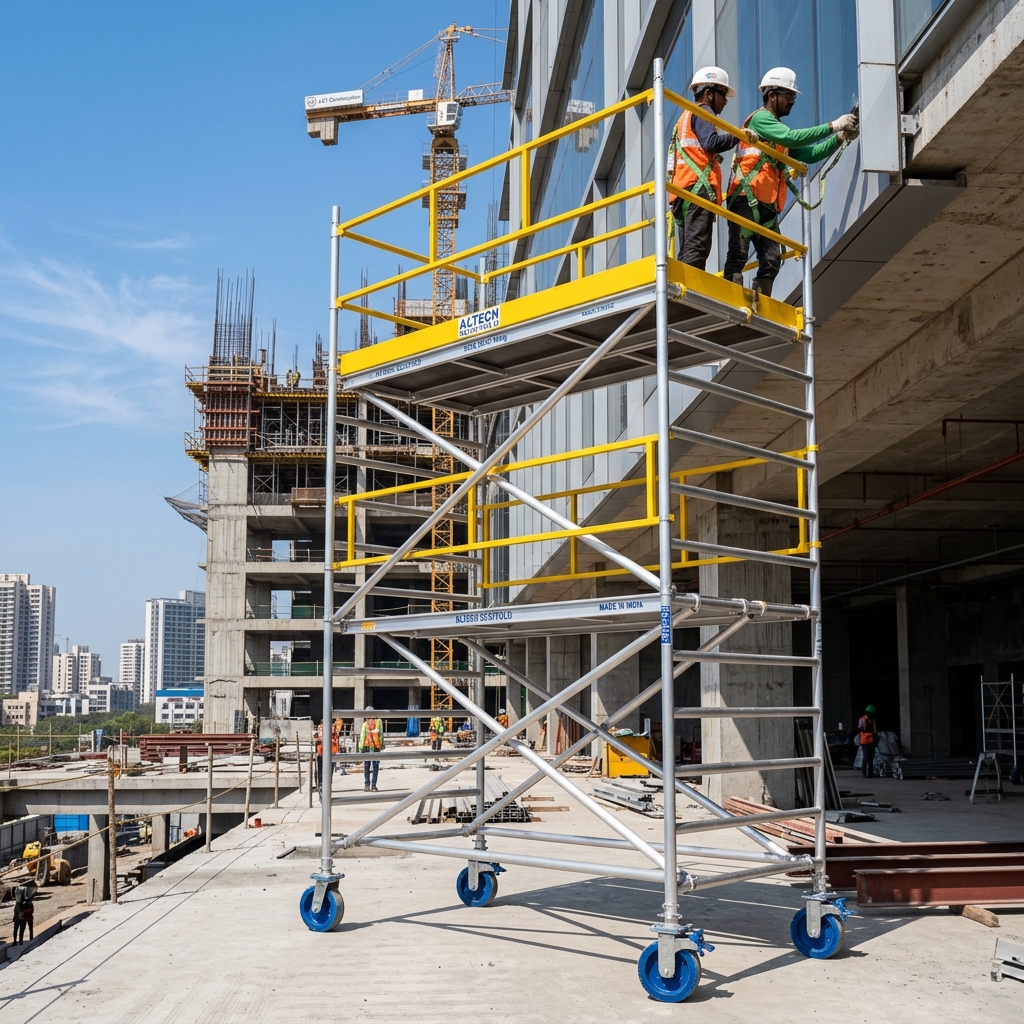
European Standard EN 1004-1:2020 specifies materials, dimensions, design loads, safety, and performance requirements for prefabricated mobile access and working towers. Updated in 2020, it introduced stringent rules around maximum vertical distance between platform levels and mandatory advance guardrail erection methods.
Key Structural Mandates Under Class 3
- Design Load Rating: Class 3 certification mandates a uniformly distributed load capacity of 200 kg/m² on platforms.
- Maximum Unanchored Heights: 8.0 meters maximum platform height outdoors; 12.0 meters indoors with proper outriggers attached.
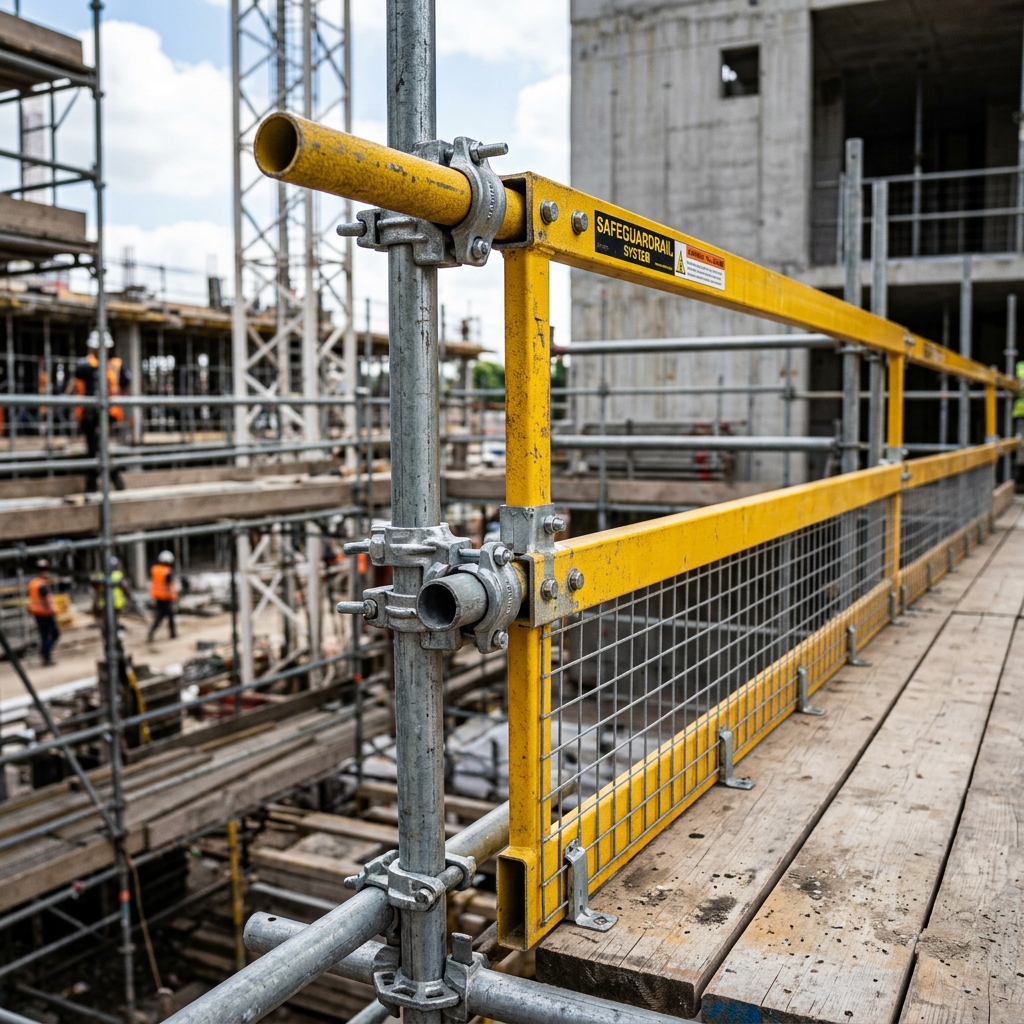
- Advance Edge Protection: Guardrails and mid-rails must be installable from the lower platform level before operators ascend to the next working tier.
"Safety standard compliance isn't just a regulatory checkbox—it directly protects crew lives and prevents catastrophic site downtime."
Aluminum Alloy 6082-T6 vs Mild Steel Scaffolding
Modern mobile scaffolding has shifted decisively toward high-tensile T6 heat-treated aluminum alloys. Offering a tensile strength exceeding 310 MPa, aluminum towers achieve equal or superior structural rigidity to steel while weighing up to 50% less. This dramatic weight reduction cuts assembly labor time in half and minimizes ergonomics-related muscular strain during transport.
Pre-Use Checklist for Scaffold Operators
Before any personnel steps onto a mobile scaffolding tower, the designated safety officer must complete the following inspections:
- Verify all 4 swivel caster wheel brakes are firmly engaged.
- Ensure telescopic outriggers are clamped firmly with base pads flat against sound ground.
- Check that trapdoor platform hatches open smoothly and latch fully shut when closed.
- Confirm toe-boards (minimum 150mm height) are fitted along all working platform edges to prevent tool fall accidents.
Conclusion
Investing in certified aluminum mobile towers built to EN 1004-1:2020 ensures long-term operational peace of mind, full regulatory audit protection, and zero-compromise safety for site personnel.
Related Resources
Aluminum vs Steel Scaffolding: Total Cost of Ownership & ROI Breakdown
Discover how aluminum scaffolding reduces labor erection costs by 45% and lowers logistics transport expenses over a 5-year equipment lifecycle.
10 Zero-Harm Fall Protection Protocols for Commercial Facade Maintenance
Best practices for wind speed monitoring, dual-lanyard harness tying, perimeter netting, and temporary anchor points on high-rise structures.